
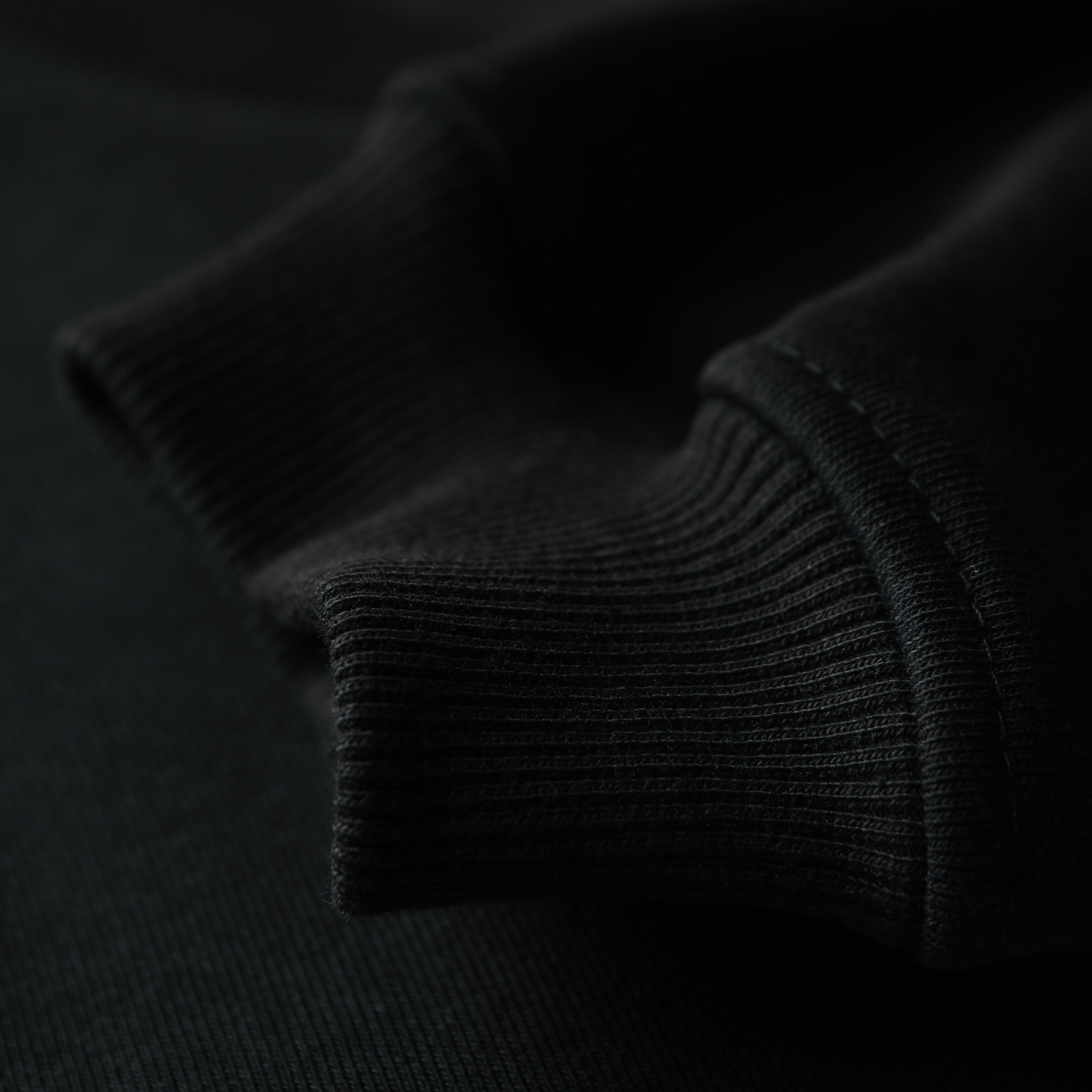
What GSM Should Your Hoodie Be | Complete Guide for Brands
When brands start developing hoodies, one of the first technical decisions that comes up is GSM.
It is one of the biggest factors that will influence how your hoodie feels, how it fits into your brand identity, and how your customers experience the product.
If you understand GSM early, you avoid a lot of unnecessary sampling rounds and confusion later.
Before getting into specific numbers, it is important to understand that GSM alone does not define quality.
A 300 GSM hoodie can feel completely different depending on the fabric composition, yarn type, and construction.
A 300 GSM 100% cotton fleece will not feel the same as a 300 GSM cotton polyester blend Even within cotton, combed cotton, organic cotton, or open end cotton will all behave differently.
So while GSM is important, it should always be viewed together with fabric choice and structure.
What GSM actually means
GSM stands for grams per square meter.
It measures the weight of the fabric, not the thickness directly, but in practice it gives a strong indication of how heavy or light the garment will feel.
For hoodies, GSM usually ranges between.
280 to 320 GSM for lighter options.
320 to 380 GSM for mid weight.
380 to 500 GSM for heavy weight.
500 to 700 GSM for ultra heavy weight.
Casual wear
Casual hoodies are designed for everyday comfort and broad usability.
They are not meant to feel overly heavy or restrictive, but still need enough structure to hold shape.
Most brands in this category land around.
300 to 340 GSM.
This range gives.
Comfortable wear across seasons.
Enough weight to feel premium compared to cheap retail.
Good balance between cost and quality.
Going too light can make the hoodie feel thin and less durable Going too heavy can make it less versatile for daily use.
Streetwear
Streetwear is where GSM becomes part of the identity.
Heavier hoodies are often associated with higher quality, exclusivity, and a more structured fit.
Typical ranges here are.
360 to 450 GSM.
Some brands even push beyond that for statement pieces.
This gives.
Boxier, more structured silhouettes.
Heavier drape.
A more premium and intentional feel.
However, higher GSM also means.
Higher production cost.
More expensive shipping.
Potentially less comfort in warmer climates.
So it should align with your brand positioning, not just trends.
Activewear and performance
Hoodies in this category serve a different purpose.
They are not built for weight, but for movement, breathability, and function.
Typical ranges are.
240 to 300 GSM.
Often combined with blends like.
Cotton polyester.
Polyester elastane.
This allows for.
Better moisture management.
More stretch.
Lighter feel during activity.
A heavy 400 GSM hoodie would not perform well here, even if it feels premium.
Fabric matters as much as GSM
This is where many brands make mistakes.
Two hoodies with the same GSM can feel completely different.
For example.
300 GSM 100 percent cotton fleece.
Feels softer, more natural, often heavier on body.
300 GSM cotton polyester blend.
Feels smoother, sometimes lighter, more structured.
Brushed fleece vs loopback.
Brushed feels warmer and softer.
Loopback feels lighter and more breathable.
So when choosing GSM, you should always ask.
What fabric am I pairing this with.
Fit and construction impact the feel
GSM does not exist in isolation.
A hoodie can feel heavy because of.
Thick ribbing.
Double layer hood.
Oversized fit.
Or feel lighter due to.
Tighter knit structure.
Slimmer cut.
Different finishing.
This is why sampling is important The same GSM can behave differently depending on how the garment is built.
Final thoughts
There is no single correct GSM for a hoodie.
It depends on your brand, your customer, and how you want the product to feel.
If you are building a versatile everyday piece, 300 to 340 GSM is often a strong starting point.
If your focus is streetwear and identity, pushing into the 360 to 450 GSM range can make sense.
If you are designing for movement and performance, staying lighter around 240 to 300 GSM will usually give better results.
The best approach is not to chase a number, but to understand how GSM, fabric, and construction work together.
That is what creates a hoodie that actually feels right when your customer puts it on.


Leave a comment
This site is protected by hCaptcha and the hCaptcha Privacy Policy and Terms of Service apply.