
What Is GSM in Fabric Complete Guide
When developing a clothing product, one of the most important fabric specifications you’ll encounter is GSM. It appears in almost every fabric quotation, tech pack, and manufacturer discussion. Yet many new clothing brands don’t fully understand how much it influences the final product.
GSM stands for grams per square meter, and it simply measures how much a square meter of fabric weighs. In practice, this tells you how light, heavy, or dense a fabric feels. But GSM is much more than a number on a spec sheet. It directly affects how a garment drapes, how warm it feels, how durable it is, and how customers perceive the quality of the product.
For brands developing apparel, choosing the right GSM is one of the easiest ways to ensure that the product performs exactly the way it should.
Why GSM Matters When Developing Clothing
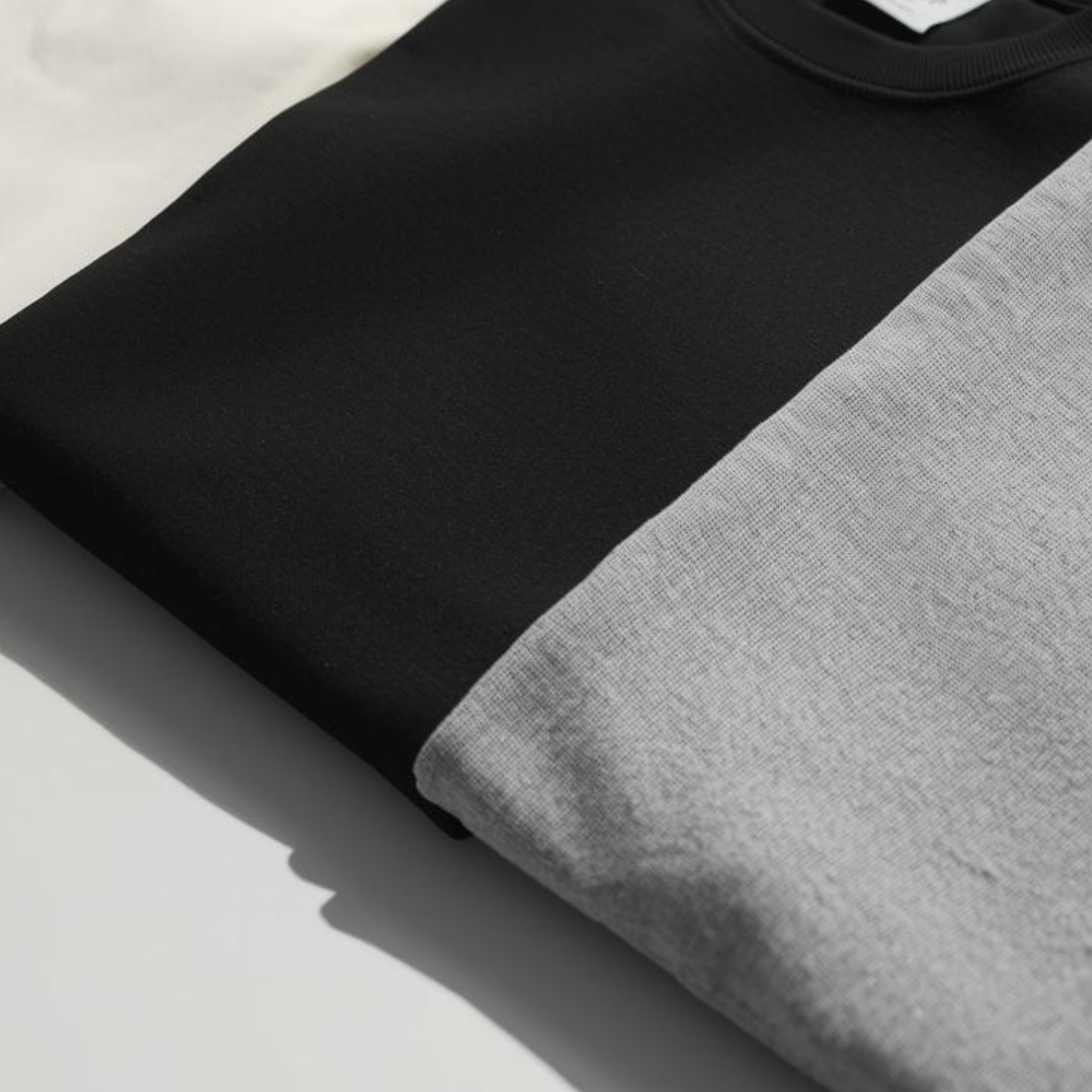
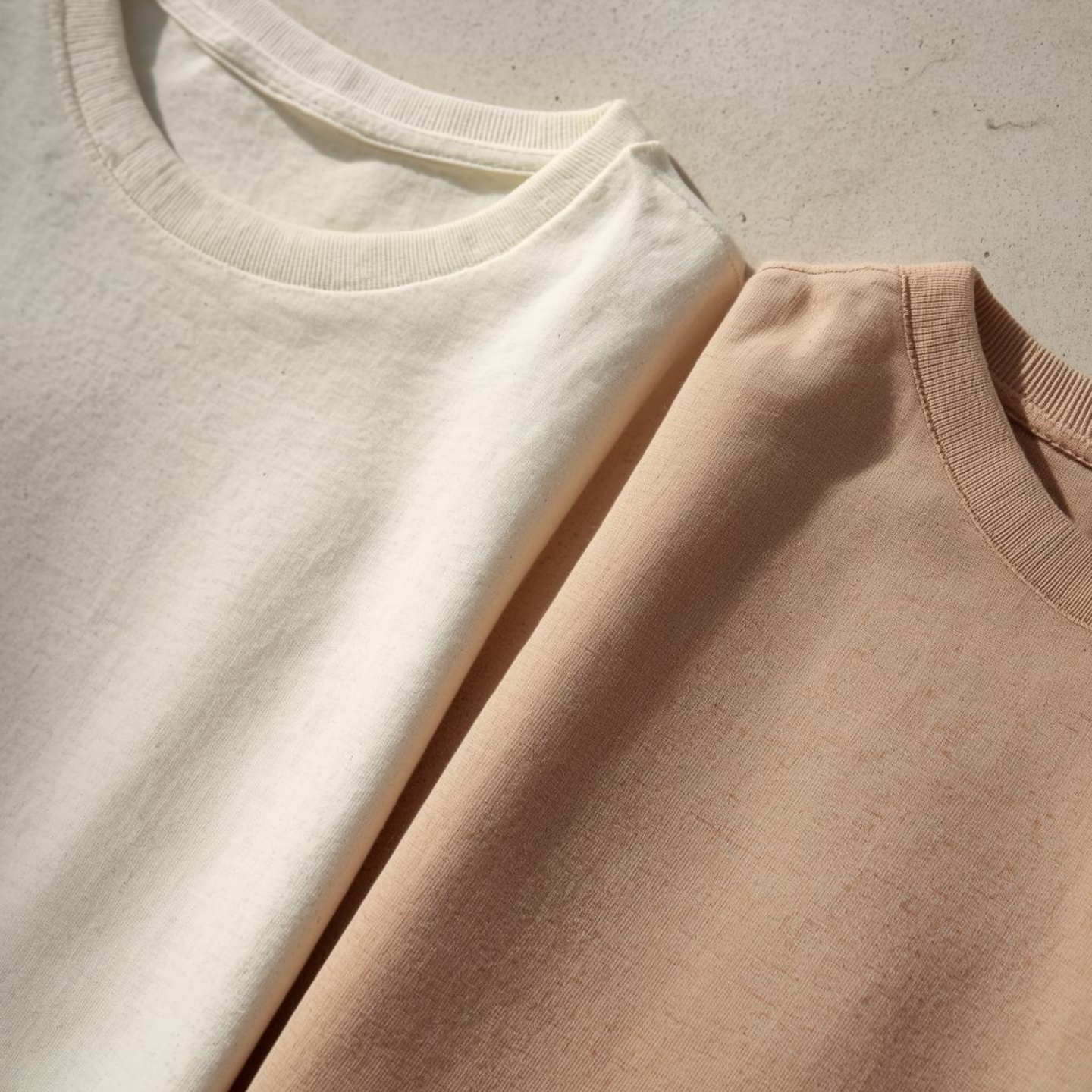
Fabric weight shapes the overall character of a garment. Two t-shirts made from the same fiber composition can feel completely different simply because their GSM is different.
Lower GSM fabrics tend to feel lighter, softer, and more breathable. Higher GSM fabrics usually feel thicker, heavier, and more structured.
Because of this, GSM influences several key factors in garment development.
First, comfort and breathability. Lightweight fabrics are typically more breathable and suitable for warmer climates, while heavier fabrics trap more heat.
Second, durability. Higher GSM fabrics often last longer because the material is denser and more resistant to wear.
Third, perceived quality. Many streetwear and premium brands intentionally choose heavier fabrics because customers often associate weight with higher quality.
Finally, the garment’s shape and drape. A heavier fabric holds structure better, while lighter fabrics flow and move more naturally.
Typical GSM Ranges for Common Garments
While there are no strict rules, certain GSM ranges are commonly used across the apparel industry.
T-shirts usually range between 120–220 GSM. Lightweight fashion tees often fall around 140–160 GSM, while premium or streetwear tees commonly sit between 180–400 GSM.
Hoodies and sweatshirts tend to range from 280–450 GSM depending on how heavy and structured the garment should feel.
Activewear fabrics are usually lighter, often between 140–200 GSM, allowing for breathability and flexibility.
Outerwear fabrics vary widely, but heavier fabrics are often used to provide structure and insulation.
These ranges give brands a starting point, but the ideal GSM always depends on the product’s purpose and the brand’s identity.
How GSM Affects Streetwear and Premium Apparel
In recent years, heavier fabrics have become particularly popular in streetwear and premium casualwear. Many brands intentionally choose higher GSM materials to achieve a more structured and durable feel.
A 220 GSM t-shirt, for example, feels noticeably thicker and more substantial than a 160 GSM t-shirt. This difference can change how the garment sits on the body and how customers perceive its value.
Heavier fabrics also tend to create the boxier silhouettes often seen in modern streetwear collections.
However, heavier isn’t always better. A brand designing summer apparel or performance clothing may benefit from lighter fabrics that prioritize comfort and airflow.
Balancing GSM with the intended use of the garment is what ultimately creates a successful product.
GSM Is Only One Part of Fabric Quality
While GSM is important, it’s only one element of a fabric’s overall quality. Fiber type, yarn construction, and fabric finishing also play major roles.
For example, two fabrics with identical GSM can feel very different depending on whether they are made from standard cotton, combed cotton, or premium fibers.
If you want a deeper understanding of how cotton types influence fabric quality, you can also explore our blog post where we talk about Cotton, which explains how fiber selection affects softness, durability, and price.
Understanding both GSM and fiber composition helps brands make much more informed production decisions.
Choosing the Right GSM for Your Clothing Brand
When selecting fabric weight, the best approach is to start with the purpose of the garment.
Ask a few simple questions.
Will the garment be worn in warm or cool environments?
Should it feel light and breathable, or thick and structured?
Is the goal everyday comfort, durability, or a premium streetwear feel?
These decisions guide the GSM range that will work best.
For new clothing brands especially, working closely with experienced manufacturers or production partners can make this process much easier. Aligning fabric weight with the garment’s purpose is one of the most important steps in building products that customers actually enjoy wearing.
At Entreupia, we help brands navigate these types of production decisions by connecting them with manufacturers that match their product goals and quality expectations.
Final Thoughts
GSM may look like a simple number, but it plays a major role in how a garment feels, performs, and is perceived by customers.
For clothing brands, understanding fabric weight is essential when developing products that align with the brand’s identity and the customer’s expectations.
Choosing the right GSM ensures that the garment looks, feels, and performs exactly the way it was intended.


Leave a comment
This site is protected by hCaptcha and the hCaptcha Privacy Policy and Terms of Service apply.